
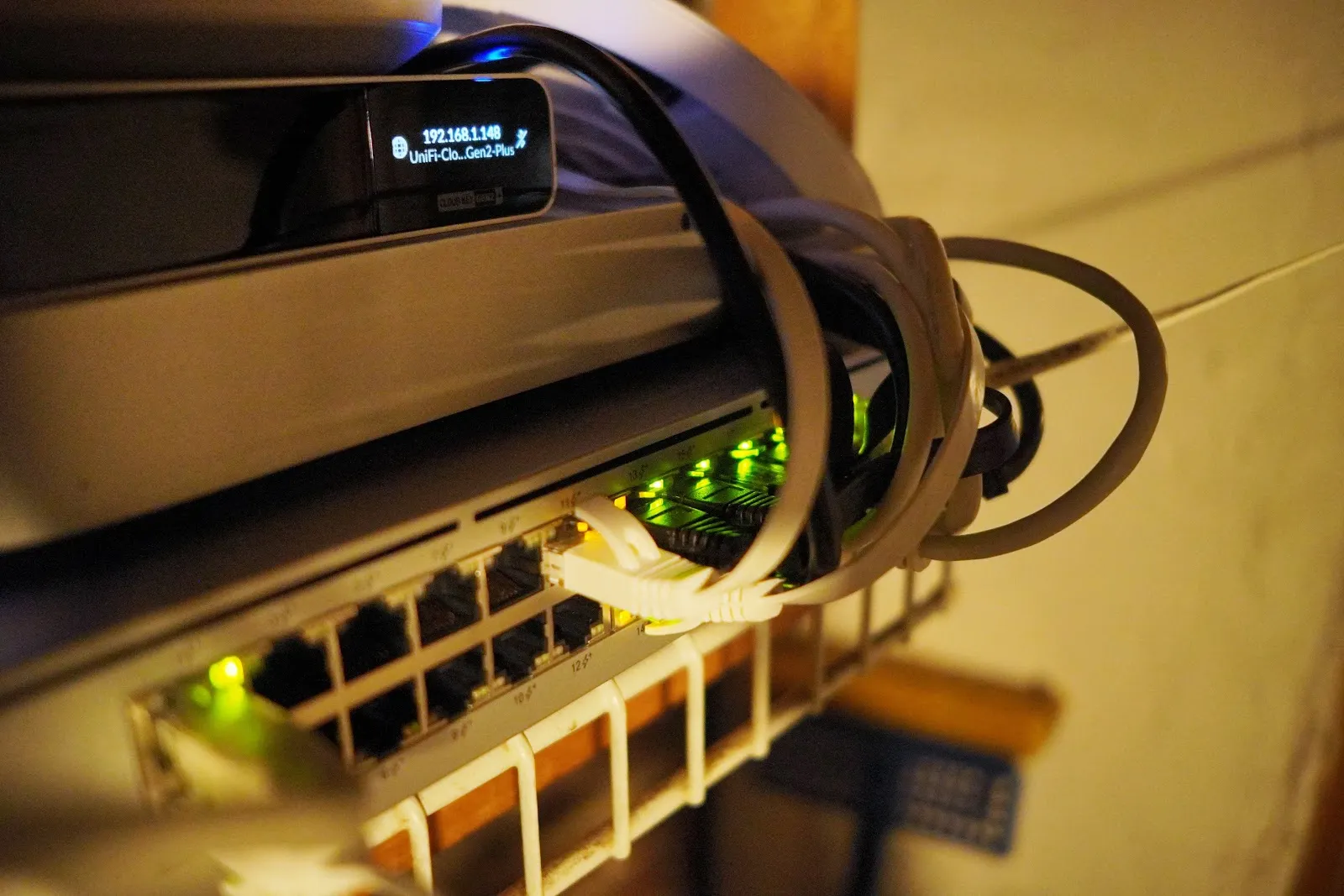
Digital Housekeeping: Is Your Business's 'Junk Drawer' Putting You at Risk?
We all have a junk drawer at home. But in business, that junk drawer is where hackers hide. Here are 3 things you can delete today to make your business safer.
The Analogy: Your Business as a Home
An office with unmanaged files, outdated software, and messy, forgotten digital configurations is like a house with a junk drawer that catches fire. You may not notice the danger until it is too late, but every piece of "digital junk" increases your risk profile.
Why Complexity is the Enemy of Security
Clutter in your infrastructure makes it difficult to spot anomalies. When your systems are clean and documented, you can instantly tell if an unauthorized user or process has entered your network.
3 Digital "Junk" Items to Delete Today
Regular maintenance is not just about performance; it is a critical defensive strategy.
1. Abandoned User Accounts
Former employees or contractors who still have active credentials are your most common "hidden" vulnerability. Audit your Active Directory and remove them immediately.
2. Legacy Software Versions
Old applications that no longer receive patches are essentially open doors for attackers. If you are not using it, uninstall it.
3. Unnecessary Data Shares
Files that have not been opened in years often contain sensitive, outdated information. They are prime targets for ransomware, which seeks out large, unmonitored data stores to encrypt.
Digital Housekeeping Checklist
- Credential Audit: Remove all inactive user accounts.
- Software Inventory: Decommission all EOL (End-of-Life) software.
- Data Archiving: Move "cold" data to offline, encrypted storage.
- Cable/Hardware Tidy: Physically secure abandoned network ports to prevent unauthorized access.